
Peregrine
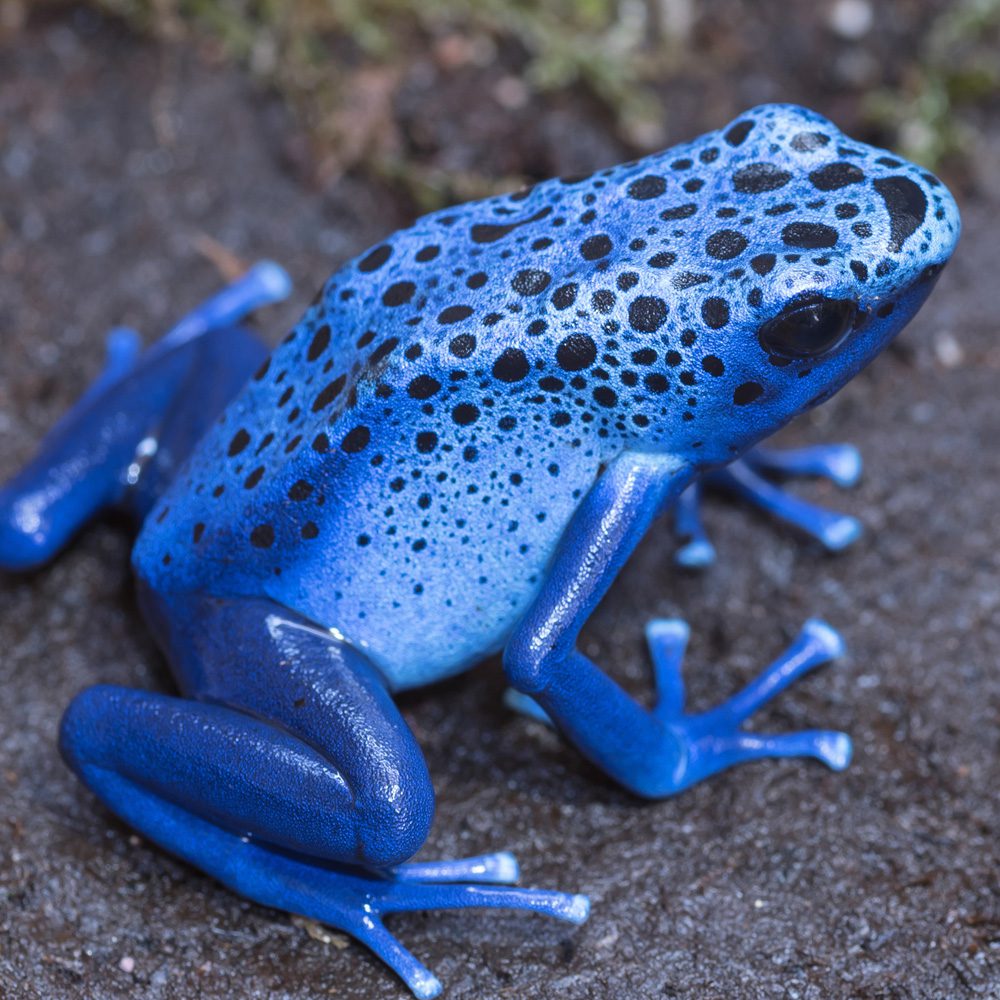
Blue Poison Arrow Frog “AZUREUS”
Blue Poison Arrow Frog “AZUREUS”
Regular price
£143.99
Regular price
Sale price
£143.99
Unit price
per
Tax included.
Shipping calculated at checkout.
Low stock: 1 left
Couldn't load pickup availability

BLUE POISON ARROW FROG “AZUREUS”
Quick Care Guide
Scientific Name: Dendrobates tinctorius “Azureus”
Adult Size: 3–5 cm
Lifespan: 10–15+ years
Activity: Diurnal • Terrestrial
📏 Size
- Adults usually reach around 3–5 cm.
- Females are generally larger than males.
- Despite their small size, they are active frogs and need plenty of floor space.
🏠 Housing
- A minimum of around 60 × 45 × 45 cm is suitable for a pair.
- A mature bioactive tropical vivarium is ideal.
- Provide deep leaf litter, cork bark, hides and dense live planting.
- Include springtails and other suitable clean-up organisms.
- Provide plenty of visual barriers and separate areas so frogs can retreat from each other.
- Do not overcrowd; adult tinctorius can be territorial.
🌡️ Temperature
- Daytime: 22–25°C.
- Night: 18–22°C.
- Avoid prolonged temperatures above 27–28°C.
- Overheating can be extremely dangerous for dart frogs.
💡 Lighting
- Provide approximately 10–12 hours of daylight.
- Good-quality LED lighting is excellent for maintaining live plants.
- A low-level UVB source can be beneficial when correctly positioned.
- Provide shaded areas so the frogs can move away from the light.
💧 Humidity
- Aim for approximately 70–90%, with natural fluctuations.
- Regular misting should keep the substrate and leaf litter suitably moist.
- Avoid stagnant, permanently waterlogged conditions.
- Good ventilation is essential.
🍽️ Food
- Feed small live prey such as flightless fruit flies and springtails.
- Juveniles require frequent feeding; adults should be offered food regularly according to body condition.
- Lightly dust prey with an appropriate calcium/vitamin supplement.
- Never use wild-caught insects that may have been exposed to pesticides.
💧 Water
- Dart frogs obtain much of their moisture from water droplets on leaves and enclosure surfaces.
- Mist with clean, dechlorinated water.
- A very shallow water area can be provided, but deep water is unnecessary.
- Keep any water area clean because these frogs are poor swimmers.
🐸 Shedding
- Frogs shed their skin regularly and normally eat the shed skin.
- Correct humidity and hydration support healthy shedding.
- No intervention is normally required.
🤲 Handling
- Handling should be avoided.
- Their skin is extremely delicate and can be damaged by oils, salts, lotions and chemicals on human hands.
- If the frog must be moved, use a clean container rather than handling it directly.
❤️ Health
- Healthy frogs should be alert, active and feeding regularly.
- Watch for weight loss, lethargy, abnormal posture, skin problems or persistent loss of appetite.
- Overheating and dehydration are major risks.
- Quarantine new frogs before introducing them to an established collection.
🧹 Cleaning
- Remove dead insects and obvious waste.
- Replace leaf litter as it breaks down.
- Trim plants when necessary and keep glass clear.
- In a mature bioactive setup, springtails and other clean-up organisms help process waste.
- Avoid unnecessary complete substrate changes that disrupt the bioactive environment.
✅ Before You Bring Your Animal Home
☐ Mature tropical vivarium established
☐ Deep leaf litter and suitable hides provided
☐ Live plants established
☐ Temperature checked and stable
☐ Humidity and ventilation tested
☐ Fruit fly culture established
☐ Calcium/vitamin supplementation available
☐ Enclosure completely escape-proof
⚠️ Important Bits
- Do not allow the enclosure to overheat.
- Captive-bred Azureus frogs are generally not poisonous in captivity because the toxic alkaloids found in wild populations come from their natural diet.
- Never handle unnecessarily.
- Never use pesticides, insecticides or harsh chemicals around the vivarium.
- Keep frogs away from deep water.
- Monitor individual frogs for aggression or competition, particularly as they mature.
- Azureus is a colour/locality form of Dendrobates tinctorius, not a separate species.