
Monkfield
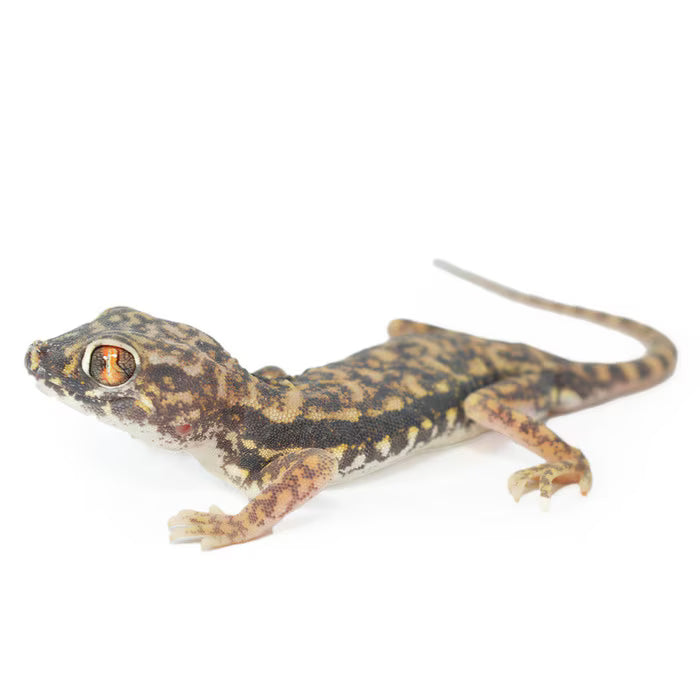
Dune Gecko
Dune Gecko
Regular price
£39.99
Regular price
Sale price
£39.99
Unit price
per
Tax included.
Shipping calculated at checkout.
Low stock: 3 left
Couldn't load pickup availability

Dune Gecko
Scientific name: Stenodactylus spp.
Common names: Dune Gecko, Desert Gecko
Adult size: Around 12–15 cm
Lifespan: Around 8–12+ years
📏 Size
- Small, nocturnal desert gecko.
- Compact body with large eyes and excellent camouflage.
🏡 Housing
- Terrestrial, nocturnal species requiring a dry, well-ventilated vivarium.
- Minimum around 60 × 30 × 30 cm for an adult pair.
- Provide 8–12 cm of sandy/digging substrate.
- Include several hides, cork, rocks and open areas for foraging.
🌡️ Temperature
- Basking area: 32–35°C
- Warm end: 27–30°C
- Cool end: 22–25°C
- Night: 18–22°C
- Use thermostatically controlled heating.
💡 Lighting
- Low-level UVB around 2–5% is beneficial.
- Provide a natural 10–12 hour day/night cycle.
- As a nocturnal species, provide plenty of shaded areas.
💧 Humidity
- Generally 30–40%.
- Avoid keeping the enclosure constantly damp.
- A slightly more humid hide can be provided, particularly during shedding.
🦗 Food
- Feed appropriately sized live insects such as crickets, locusts, roaches and mealworms.
- Juveniles require more frequent feeding than adults.
- Dust prey with calcium and provide suitable vitamin supplementation.
💧 Water
- Provide a shallow dish of fresh water.
- Light misting can occasionally provide drinking droplets without making the enclosure wet.
🐍 Shedding
- Provide a humid hide to assist with difficult sheds.
- Rough surfaces such as cork and rocks can help remove loose skin.
- Never pull retained shed from toes or the tail.
🤲 Handling
- Can become accustomed to gentle handling but may be nervous and fast-moving.
- Handle close to the ground and support the whole body.
- Avoid grabbing the tail.
❤️ Health
- Monitor appetite, weight, activity and shedding.
- Watch for dehydration, parasites, retained shed and metabolic bone disease.
- Correct UVB and calcium supplementation are important even for nocturnal species.
🧽 Cleaning
- Spot-clean waste regularly.
- Remove uneaten insects.
- Keep the water dish clean and replace contaminated substrate as required.
🏠 Before You Bring Your Gecko Home
- Set up and temperature-test the enclosure beforehand.
- Have suitable digging substrate, hides, heating, UVB and live food ready.
- Ensure the enclosure is secure and escape-proof.
⚠️ Important Bits
- Dune Geckos are nocturnal desert animals and may spend much of the day hidden.
- Provide deep, dry substrate for natural digging behaviour.
- Avoid excessive humidity and poor ventilation.
- They are delicate and best kept as a look-but-don't-touch species.