
Peregrine
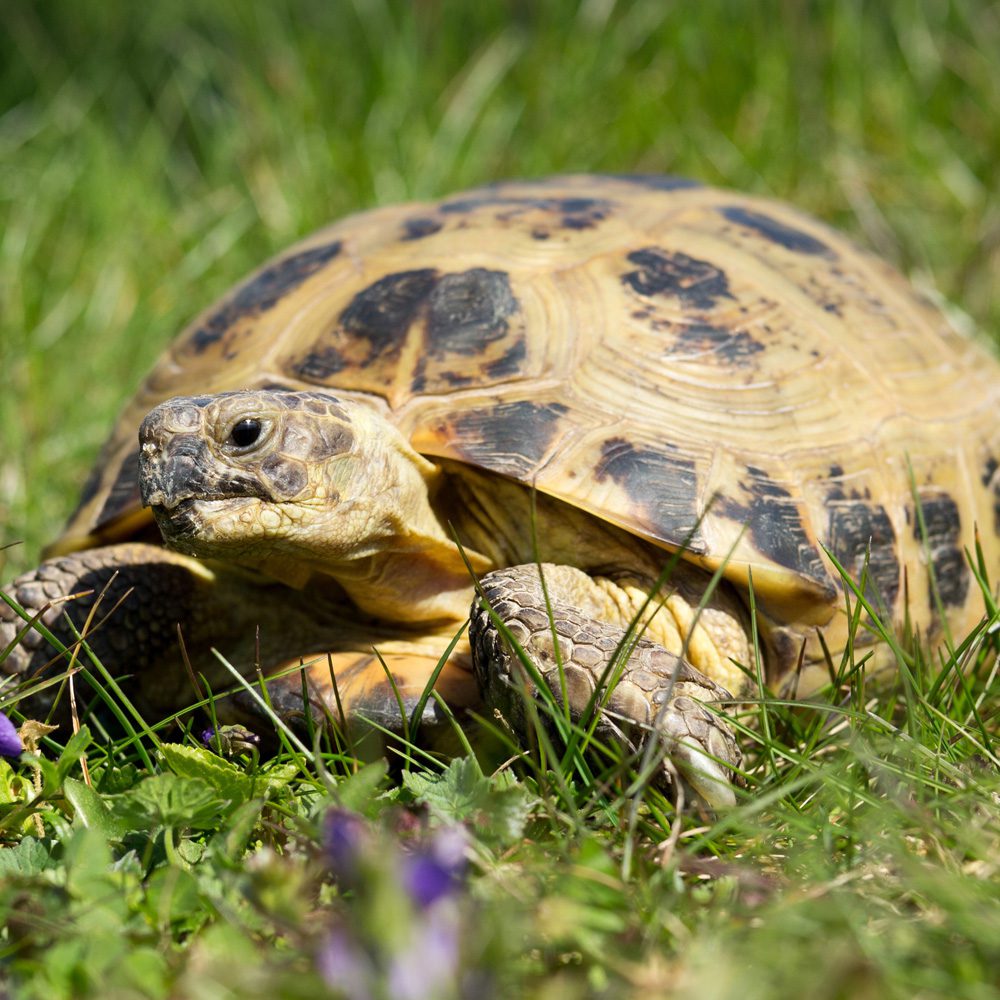
Horsefield Tortoise
Horsefield Tortoise
Regular price
£179.99
Regular price
Sale price
£179.99
Unit price
per
Tax included.
Shipping calculated at checkout.
Low stock: 2 left
Couldn't load pickup availability

Horsefield Tortoise
Scientific Name: Testudo horsfieldii
Also Known As: Russian Tortoise / Steppe Tortoise
Adult Size: 15–20 cm
Lifespan: 40–60+ years
Difficulty: Intermediate
Activity: Diurnal
Diet: Herbivore
Size
- Adults typically reach 15–20 cm.
- Females are usually larger than males.
Housing
- Large, secure tortoise table is ideal indoors.
- Adults need plenty of floor space; bigger is always better.
- Provide deep, dry substrate suitable for digging.
- Include hides, rocks, plants and other enrichment.
- Outdoor housing during suitable weather is highly beneficial, with secure sides and a predator-proof roof.
Temperature
- Basking spot: 32–35°C
- Cool end: 20–24°C
- Night: around 15–20°C is suitable.
- Always measure temperatures at tortoise level.
- Use a thermostat with controlled heating.
Lighting
- Provide a strong 10–12% UVB tube covering a large section of the enclosure.
- UVB is essential for proper calcium metabolism and shell/bone development.
- Provide around 12 hours of light during the active season.
Humidity
- Keep the enclosure generally dry with good ventilation.
- Provide a slightly more humid area/hide for younger tortoises.
- Avoid persistently damp conditions.
- A humid hide can be particularly useful for juveniles.
Food
- Feed a high-fibre, low-protein diet consisting mainly of weeds and leafy greens.
- Excellent foods include:
- Dandelion
- Plantain
- Sow thistle
- Clover
- Chickweed
- Endive
- Rocket
- Avoid high-sugar fruit and high-protein foods.
- Provide calcium regularly, particularly for growing tortoises.
- Food should be available during the active part of the day.
Water
- Provide a shallow water dish that the tortoise can easily climb into and out of.
- Refresh regularly.
- Young tortoises benefit from regular shallow soaks to help maintain hydration.
Shedding
- Tortoises shed skin gradually rather than in one complete piece.
- Mild flaking is normal.
- Never pull loose skin away.
- Good hydration and appropriate humidity help support healthy growth.
Handling
- Handle gently and only when necessary.
- Support the whole body with both hands.
- Keep handling sessions short.
- Always wash your hands after handling.
Health
Watch for:
- Runny nose
- Swollen or closed eyes
- Soft or misshapen shell
- Poor appetite
- Lethargy
- Difficulty breathing
- Diarrhoea
- Abnormal growth or pyramiding
- Overgrown beak or claws
Seek advice from an exotic/reptile veterinarian if you notice persistent abnormalities.
Cleaning
- Remove faeces and uneaten food daily.
- Clean the water dish regularly.
- Spot-clean soiled substrate.
- Replace substrate when necessary.
- Keep food and water areas particularly clean.
Before You Bring Your Animal Home
- Set up the enclosure completely beforehand.
- Run the heating and UVB and check temperatures.
- Provide suitable substrate, hides and enrichment.
- Have calcium and appropriate weeds/greens ready.
- If keeping outdoors, make sure the enclosure is secure against escape and predators.
Important Bits
- 🐢 Very long-lived — this is a decades-long commitment.
- ☀️ Strong UVB and correct basking temperatures are essential.
- 🌿 Feed a high-fibre, weed-based diet.
- 🚫 Avoid fruit, meat and high-protein foods.
- 💧 Keep the main enclosure dry but provide access to water.
- 🪨 Provide plenty of space for walking, digging and exploring.
- 🏡 Outdoor time in suitable weather is highly beneficial.
- ❌ Do not house with tropical tortoise species that require different conditions.