
Anglo Aquatic
Mentha Aquatica - (Water Mint) 1 ltr
Mentha Aquatica - (Water Mint) 1 ltr
Regular price
£6.99
Regular price
Sale price
£6.99
Unit price
per
Tax included.
Shipping calculated at checkout.
Out of stock
Couldn't load pickup availability

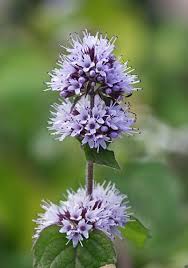
Mentha aquatica (water mint) is a fast-spreading, aromatic, herbaceous perennial that thrives in wet, marshy, or aquatic environments. Growing up to 90 cm (35 in) tall, it features square, often purplish stems, opposite oval leaves, and dense, terminal clusters of small, pinkish-purple flowers blooming from July to October.
Key Characteristics and Description
Appearance: A hairy to nearly hairless plant with a square-sectioned stem, often with a reddish-purple hue.
Leaves: Simple, opposite, ovate-lanceolate, 2 to 6 cm long and 1 to 4 cm broad. They have toothed edges and emit a strong, refreshing, or sometimes, camphor-like, minty smell when crushed.
Flowers: Small, tubular, and densely clustered into a terminal, head-like inflorescence. Colors range from pale violet to lavender-pink.
Roots: Spreads rapidly via fleshy, long, thin, segmented rhizomes.
Habitat: Thrives in fully submerged, semi-aquatic, or consistently wet soil (e.g., pond margins, ditches, marshes).
Uses and Ecology
Wildlife: It is a vital nectar source for insects, including bees, beetles, and butterflies.
Culinary/Medicinal: While strongly scented, the leaves can be used for tea or as a culinary herb. Historically used for treating colds, fevers, and digestive issues.
Cultivation: Highly adaptable to various soils but requires constant moisture and can grow in full sun to partial shade.
Key Characteristics and Description
Appearance: A hairy to nearly hairless plant with a square-sectioned stem, often with a reddish-purple hue.
Leaves: Simple, opposite, ovate-lanceolate, 2 to 6 cm long and 1 to 4 cm broad. They have toothed edges and emit a strong, refreshing, or sometimes, camphor-like, minty smell when crushed.
Flowers: Small, tubular, and densely clustered into a terminal, head-like inflorescence. Colors range from pale violet to lavender-pink.
Roots: Spreads rapidly via fleshy, long, thin, segmented rhizomes.
Habitat: Thrives in fully submerged, semi-aquatic, or consistently wet soil (e.g., pond margins, ditches, marshes).
Uses and Ecology
Wildlife: It is a vital nectar source for insects, including bees, beetles, and butterflies.
Culinary/Medicinal: While strongly scented, the leaves can be used for tea or as a culinary herb. Historically used for treating colds, fevers, and digestive issues.
Cultivation: Highly adaptable to various soils but requires constant moisture and can grow in full sun to partial shade.