Monkfield
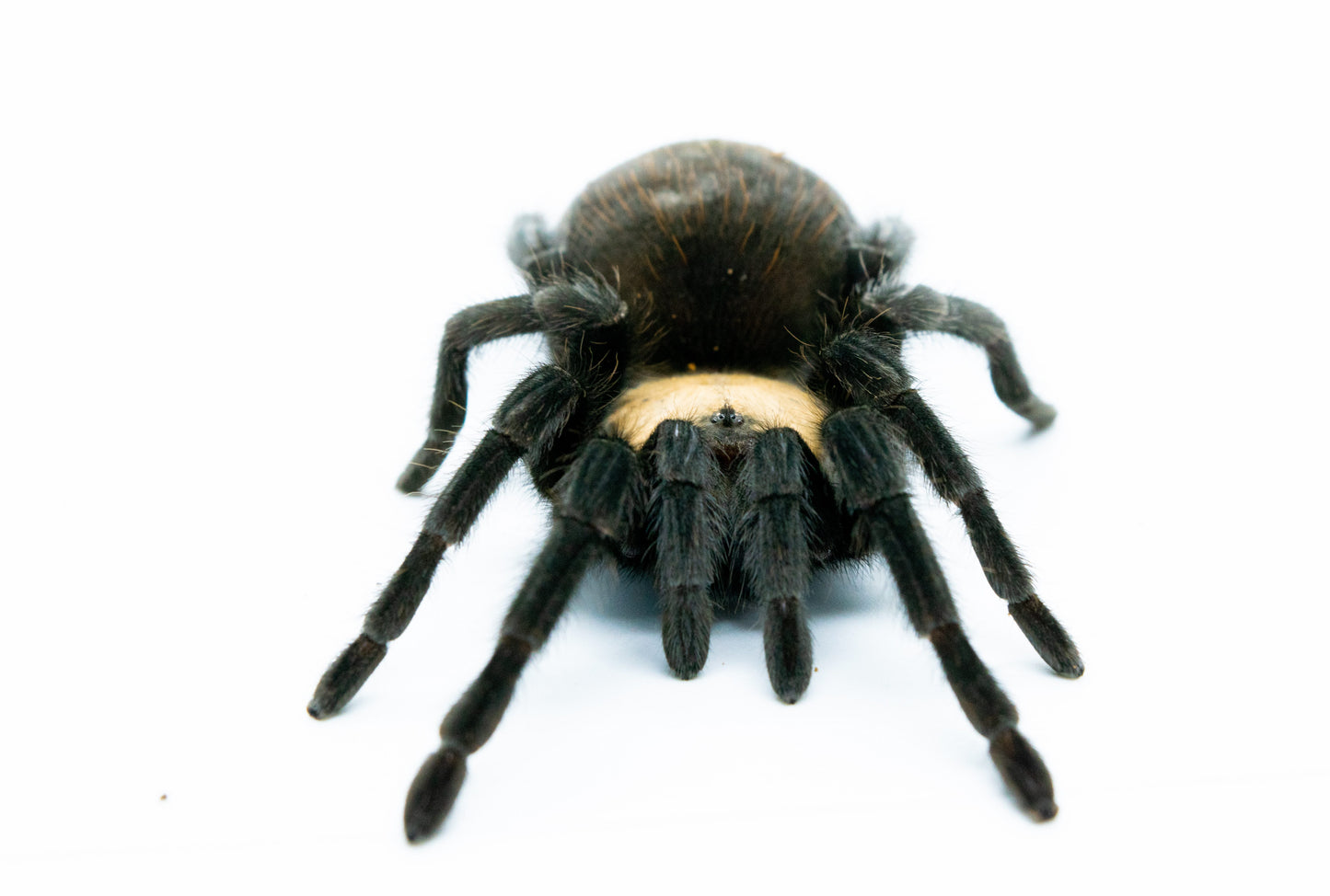
Mexican Golden Red Rump Tarantula
Out of stock
Couldn't load pickup availability

Mexican Golden Red Rump Tarantula Care Guide
Brachypelma albiceps
SIZE
• Adult: approx. 13–16 cm leg span
• Lifespan: Females 15–25+ years; males shorter
HOUSING
• Terrestrial species — floor space is more important than height
• Adult minimum: 60 × 30 × 30 cm
• Provide 8–12 cm of substrate for burrowing
• Add cork bark, a hide and some ground cover
• Secure lid with good ventilation
TEMPERATURE
• Day: 22–26°C
• Night: 20–22°C
• Normal room temperatures are often suitable
• Avoid overheating
LIGHTING
• No UVB required
• Normal day/night room lighting is sufficient
• Avoid bright lights directly over the enclosure
HUMIDITY
• Aim for around 50–60%
• Keep the enclosure predominantly dry
• Provide a water dish rather than constantly misting
FOOD
• Feed appropriately sized crickets, locusts and roaches
• Adults generally eat around once every 1–2 weeks
• Juveniles need smaller prey more frequently
• Remove uneaten prey
WATER
• Provide a shallow water dish at all times
• Change regularly and keep clean
SHEDDING
• Appetite may decrease before moulting
• Remove live prey when premoult is suspected
• Never disturb or handle during a moult
• Wait until the tarantula has hardened before feeding
HANDLING
• Generally calm, but handling is not recommended
• May flick urticating hairs when stressed
• Use a catch cup when moving
• Keep any necessary handling close to the ground
HEALTH
• Watch for lethargy, injury, mites or abnormal posture
• Good ventilation is essential
• Avoid excessive moisture
• A tarantula lying on its back is normally moulting — do not disturb it
CLEANING
• Remove uneaten prey and waste regularly
• Keep the water dish clean
• Spot-clean when necessary
• Avoid unnecessary disturbance of burrows
BEFORE YOU BRING YOUR ANIMAL HOME
✓ Secure terrestrial enclosure
✓ Suitable substrate
✓ Cork bark hide
✓ Water dish
✓ Thermometer/hygrometer
✓ Suitable live insects
✓ Long feeding tongs
✓ Catch cup
IMPORTANT BITS
• Slow-growing and long-lived species
• Usually calm but can flick irritating urticating hairs
• Do not handle unnecessarily
• Keep the enclosure predominantly dry with access to fresh water
• Never disturb a moulting tarantula
• Females can live for 20+ years, making this a long-term commitment
Share