
Peregrine
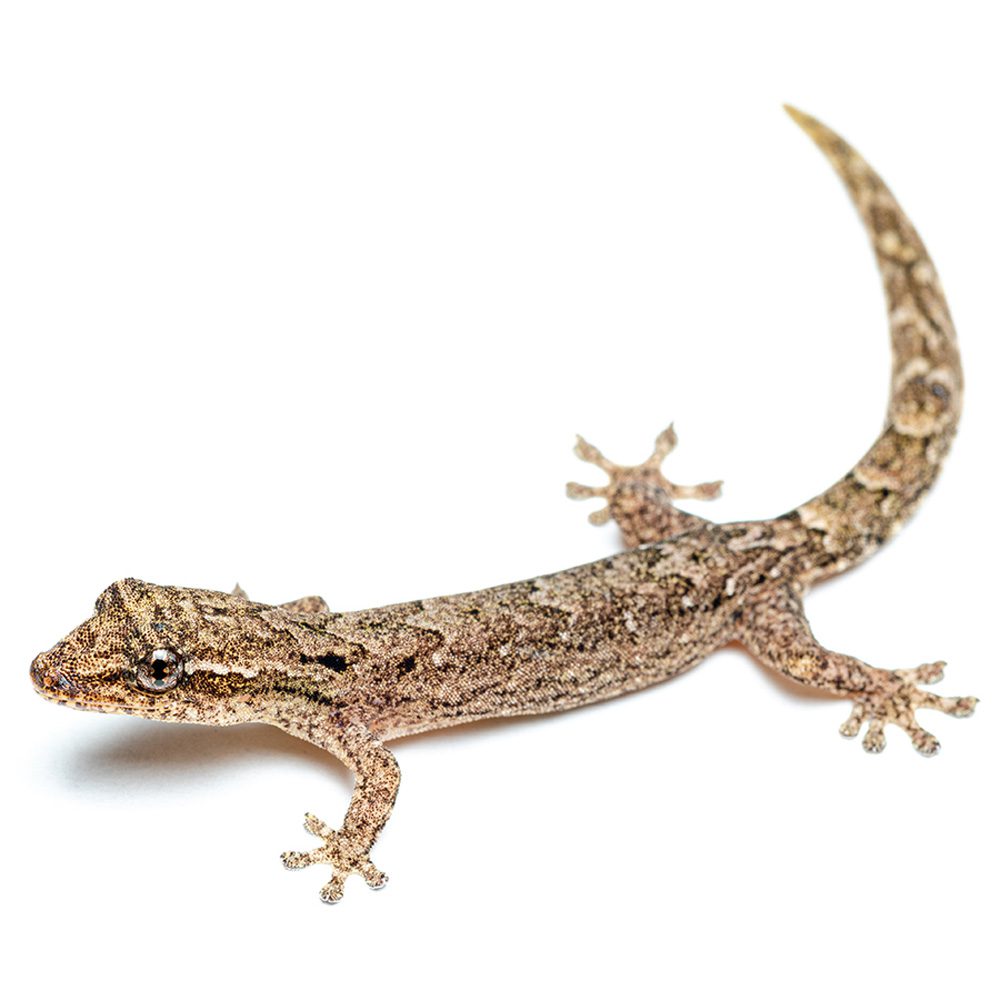
Mourning Gecko
Mourning Gecko
Regular price
£42.99
Regular price
Sale price
£42.99
Unit price
per
Tax included.
Shipping calculated at checkout.
Low stock: 4 left
Couldn't load pickup availability

Mourning Gecko Care Guide
Scientific Name: Lepidodactylus lugubris
Common Name: Mourning Gecko
Adult Size: 8–10 cm
Lifespan: Around 5–10 years
Difficulty: Beginner–Intermediate
Activity: Nocturnal
Diet: Omnivore / insectivore
Size
- Adults usually reach 8–10 cm, including the tail.
- They are very small and can squeeze through surprisingly tiny gaps.
Housing
- Use a tall, escape-proof vivarium with excellent ventilation.
- A planted enclosure around 30 × 30 × 45 cm can house a small group.
- Provide plenty of cork bark, branches, vines and dense plants.
- Keep multiple geckos together rather than singly where possible.
- Secure the enclosure carefully — they are excellent escape artists.
Temperature
- Day: 22–26°C
- Warm area: around 26–28°C
- Night: 18–22°C.
- Avoid temperatures above 30°C.
- Use thermostatically controlled heating if required.
Lighting
- Low-level 2–5% UVB is beneficial.
- Provide a natural 12-hour day/night cycle.
- Ensure plenty of shaded areas amongst plants and décor.
Humidity
- Aim for around 60–80%, with natural fluctuations.
- Mist regularly, allowing the enclosure to partially dry between misting.
- Good ventilation is essential to prevent stagnant, overly wet conditions.
Food
- Feed a varied diet of:
- Fruit flies
- Small crickets
- Small roach nymphs
- Other appropriately sized insects
- Offer a suitable gecko fruit/insect diet or small amounts of mashed soft fruit.
- Dust insects with calcium regularly.
- Feed small amounts several times per week.
Water
- Mourning Geckos will often drink droplets from leaves and enclosure surfaces.
- Regular misting provides drinking opportunities.
- A very shallow water dish can also be offered.
- Always use clean, dechlorinated water.
Shedding
- They shed regularly as they grow.
- Most geckos will eat their shed skin.
- Correct humidity and access to water help ensure successful shedding.
- Never pull retained shed from the toes or tail.
Handling
- Handling is not recommended.
- They are extremely small, quick and delicate.
- They can easily drop their tails or escape when frightened.
- If they need to be moved, use a secure container rather than attempting to catch them by hand.
Health
Watch for:
- Weight loss
- Poor appetite
- Lethargy
- Difficulty climbing
- Swollen or damaged toes
- Retained shed
- Abnormal faeces
- Signs of dehydration
Cleaning
- Remove faeces and uneaten food regularly.
- Clean the water dish if provided.
- Remove dead insects and heavily mouldy material.
- Avoid excessive disturbance in planted/bioactive setups.
- Maintain healthy live plants and replace leaf litter as necessary.
Before You Bring Your Animal Home
- Set up the vivarium completely beforehand.
- Check temperature, humidity and ventilation.
- Add plenty of climbing surfaces and dense foliage.
- Make every opening escape-proof.
- Have appropriately sized livefood and gecko diet ready.
- Allow the enclosure to stabilise before introducing the geckos.
Important Bits
- 🦎 Tiny but extremely agile — escape-proofing is essential.
- 🌿 They thrive in densely planted, vertical enclosures.
- 👥 Naturally social and are best kept in small groups.
- 🥚 Mourning Geckos are parthenogenetic, meaning females can produce offspring without a male.
- 🐣 They can reproduce readily, so be prepared for babies.
- 🦗 Feed appropriately tiny livefood.
- 💧 Regular misting provides important drinking opportunities.
- 🚫 Avoid unnecessary handling — they are delicate and very fast.