
Peregrine
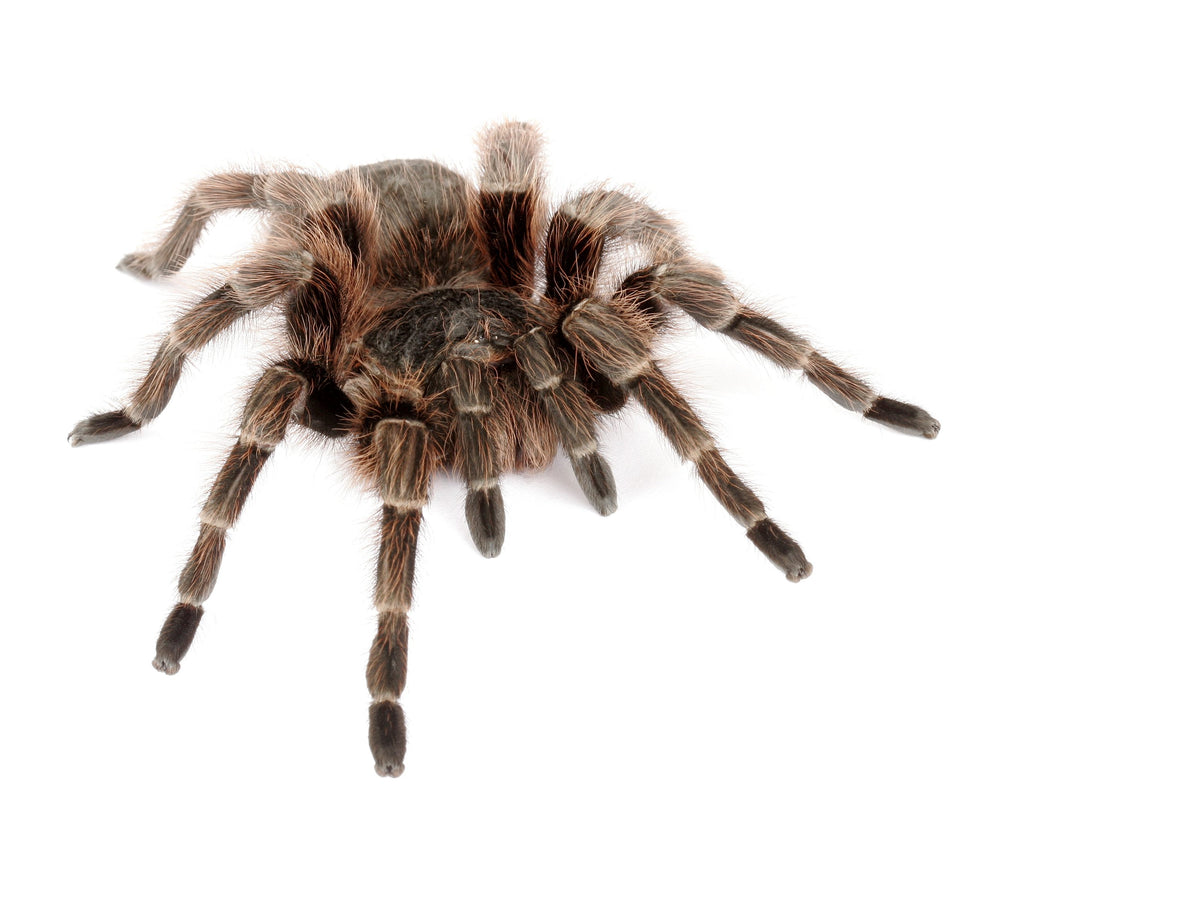
Paraguay Red Hair Tarantula
Paraguay Red Hair Tarantula
Out of stock
Couldn't load pickup availability

PARAGUAY RED HAIRED TARANTULA
Quick Care Guide
Scientific Name: Grammostola sp.
Adult Size: Approx. 12–15 cm leg span | Lifespan: Females 15–20+ years | Activity: Mainly nocturnal
📏 SIZE
-
Adults generally reach around 12–15 cm leg span.
-
Females are typically larger and longer-lived than males.
-
Growth is relatively slow.
🏠 HOUSING
-
Terrestrial, secure and well-ventilated enclosure.
-
Adult minimum: approximately 30 × 30 × 30 cm.
-
Provide 8–12 cm of suitable substrate for burrowing.
-
Add a sturdy cork bark hide.
-
Ensure the enclosure is completely escape-proof.
🌡️ TEMPERATURE
-
Aim for 21–25°C.
-
A slight drop at night is fine.
-
Avoid prolonged temperatures above 27–28°C.
-
Keep away from direct sunlight and radiators.
💡 LIGHTING
-
No UVB required.
-
Normal household lighting is sufficient.
-
Provide a natural day/night cycle.
-
Avoid bright lights directly over the enclosure.
💧 HUMIDITY
-
Aim for approximately 50–65%.
-
Allow the substrate to dry between light moisture applications.
-
A water dish is more important than maintaining high humidity.
-
Good ventilation is essential.
🦗 FOOD
-
Feed appropriately sized live insects such as crickets, locusts and roaches.
-
Adults generally eat around once every 1–2 weeks, although individual appetite varies.
-
Remove uneaten prey.
-
Do not leave live prey in the enclosure when a moult is approaching.
💦 WATER
-
Provide a shallow water dish at all times.
-
Replace with fresh water regularly.
-
Occasional light moisture can be provided to part of the substrate.
-
Never leave the enclosure waterlogged.
🐚 SHEDDING
-
The tarantula may stop eating and become less active before moulting.
-
It may retreat into its hide.
-
Never disturb a moulting tarantula.
-
Remove live prey when a moult is suspected.
-
Allow the spider to fully harden before offering food again.
🤲 HANDLING
-
Handling is not recommended.
-
Individual temperament varies and tarantulas can move quickly when startled.
-
Urticating hairs may cause skin and eye irritation.
-
If relocation is necessary, use a catch cup and soft brush.
❤️ HEALTH
-
Healthy tarantulas should have good grip, normal movement and a firm abdomen.
-
Refusal of food can be completely normal before moulting.
-
Problems can result from overheating, dehydration, poor ventilation or unsuitable substrate.
-
Seek specialist veterinary advice if there are signs of serious injury or illness.
🧹 CLEANING
-
Remove uneaten prey and visible waste regularly.
-
Spot-clean contaminated substrate.
-
Replace substrate only when genuinely necessary.
-
Avoid excessive disturbance of the enclosure.
-
Never use pesticides, aerosols or household cleaning chemicals.
🏡 BEFORE YOU BRING YOUR ANIMAL HOME
✓ Secure escape-proof enclosure
✓ Suitable deep substrate
✓ Sturdy hide
✓ Shallow water dish
✓ Temperature checked and stable
✓ Good ventilation
✓ Appropriate live food available
✓ Catch cup and soft brush available
⚠️ IMPORTANT BITS
-
Do not handle unless absolutely necessary.
-
Urticating hairs can cause significant irritation.
-
Never disturb a tarantula during or immediately after moulting.
-
Do not overheat the enclosure.
-
A shallow water dish should always be available.
-
Keep away from children and other pets.
-
Always assume the tarantula may move quickly or defensively.