
Peregrine
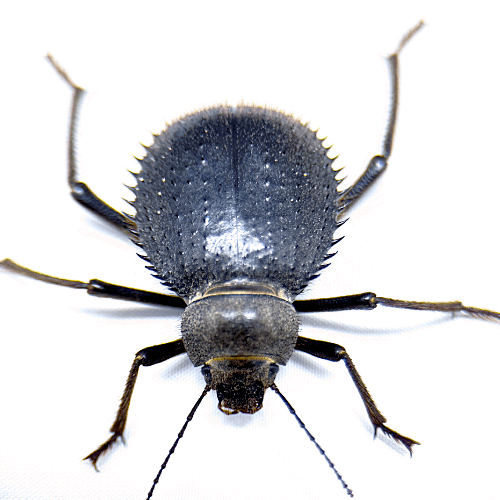
Radiant Sun Beetle
Radiant Sun Beetle
Low stock: 1 left
Couldn't load pickup availability

RADIANT SUN BEETLE
Quick Care Guide
Common Name: Radiant Sun Beetle
Scientific Name: Chrysina sp.
Adult Size: Approximately 2.5–4 cm | Activity: Mostly nocturnal
📏 SIZE
-
Adults are usually around 2.5–4 cm long.
-
Males and females can differ slightly in size.
-
Larvae are considerably smaller and spend most of their time underground.
🏠 HOUSING
-
Adults can be kept in a secure, well-ventilated terrarium.
-
Provide plenty of branches, cork bark and foliage for climbing.
-
A suitable substrate should be deep enough for larvae to burrow and develop.
-
Keep the enclosure secure — beetles are capable climbers and flyers.
🌡️ TEMPERATURE
-
Aim for approximately 20–25°C.
-
A slight drop at night is beneficial.
-
Avoid prolonged temperatures above 27–28°C.
-
Monitor temperatures with a digital thermometer.
💡 LIGHTING
-
No specialist UVB is essential for keeping them.
-
Provide a normal day/night cycle.
-
Avoid strong direct sunlight, which can rapidly overheat the enclosure.
💧 HUMIDITY
-
Aim for approximately 60–80% humidity.
-
Lightly mist the enclosure as required.
-
Substrate should remain slightly damp but never waterlogged.
-
Good ventilation is essential.
🍎 FOOD
-
Adults can be offered ripe fruit, such as banana, apple, pear and melon.
-
Specialist beetle jelly can also be used.
-
Remove uneaten fruit before it spoils or attracts pests.
-
Larvae feed primarily on decaying organic matter, particularly rotting wood and leaf litter.
-
Provide suitable decaying hardwood throughout the larval stage.
🚰 WATER
-
Most moisture is obtained from food and the enclosure humidity.
-
Light misting provides additional hydration.
-
Avoid deep water bowls — beetles can become trapped and drown.
🐛 SHEDDING
-
Larvae moult several times as they grow.
-
They eventually form a pupa underground, where metamorphosis into the adult beetle takes place.
-
Never dig up or disturb larvae or pupae unnecessarily.
-
Stable temperature, humidity and suitable substrate are essential for successful development.
🤲 HANDLING
-
Handle gently and only when necessary.
-
Allow the beetle to walk onto your hand rather than grabbing it.
-
Avoid handling newly emerged adults until their exoskeleton has fully hardened.
-
Take care when handling — beetles have delicate legs and wings.
❤️ HEALTH
-
Healthy adults should be active, alert and able to grip surfaces firmly.
-
Watch for inability to climb, damaged limbs, mould or persistent weakness.
-
Larvae spending time underground is completely normal.
-
Avoid excessive disturbance during pupation.
🧹 CLEANING
-
Remove uneaten fruit and beetle jelly regularly.
-
Remove obvious mould or heavily contaminated material.
-
Do not completely replace larval substrate unnecessarily — it provides both food and habitat.
-
Top up decaying wood and leaf litter as required.
🏡 BEFORE YOU BRING YOUR ANIMAL HOME
✓ Set up the enclosure before bringing your beetles home.
✓ Establish temperature and humidity.
✓ Add climbing surfaces and foliage.
✓ Prepare suitable fruit/beetle jelly.
✓ If keeping larvae, provide deep, suitable decaying-wood substrate.
✓ Make sure the enclosure is secure and well ventilated.
⚠️ IMPORTANT BITS
-
Larvae and pupae should not be disturbed or dug up.
-
Never allow the substrate to become completely dry during larval development.
-
Equally, avoid waterlogged substrate, which can cause mould and poor conditions.
-
Remove old fruit before it ferments or attracts flies and mites.
-
Keep beetles away from pesticides, chemicals and treated wood.
-
Radiant Sun Beetles are primarily a display species and should be handled gently.