J&K
Red Belly Pipefish
Red Belly Pipefish
Out of stock
Couldn't load pickup availability

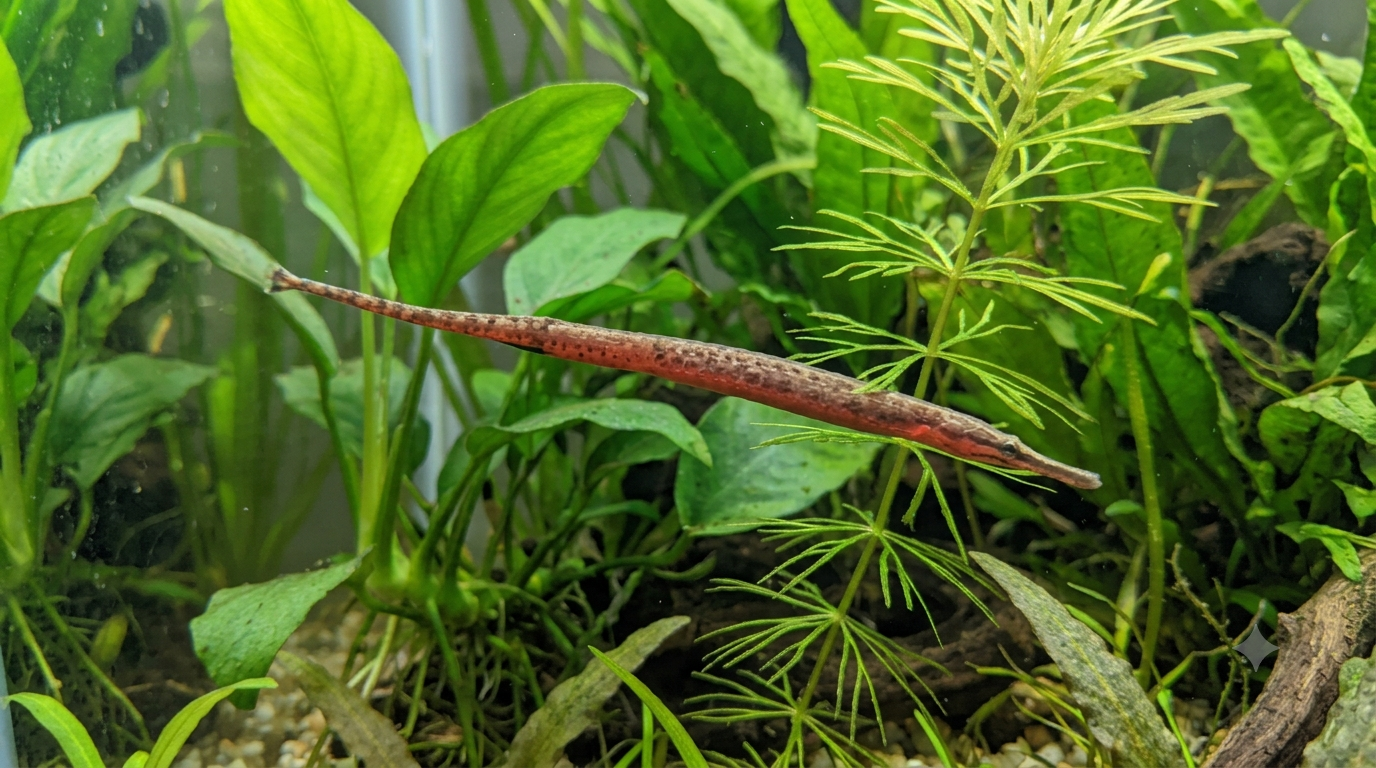
Red Belly Pipefish (Doryichthys boaja)
The Red Belly Pipefish is a graceful and highly unusual freshwater species, admired for its elongated body, vibrant reddish-orange underside, and slow, elegant movements. Closely related to seahorses, this fascinating fish glides effortlessly through dense aquatic vegetation, using its long tubular snout to carefully hunt tiny live prey. Its distinctive appearance and peaceful temperament make it a captivating addition to specialist planted aquariums.
Unlike most tropical fish, Red Belly Pipefish are gentle, deliberate feeders that spend much of their time weaving through plants and driftwood in search of small crustaceans and insect larvae. Their unique behaviour and striking body shape make them one of the most rewarding species for experienced aquarists.
๐ฟ Why Choose Red Belly Pipefish?
โค๏ธ Beautiful reddish-orange belly and elegant body shape
๐ Closely related to seahorses with fascinating behaviour
๐ฟ Perfect for heavily planted, natural aquariums
๐ง Unique hunting style using a long tubular snout
โจ Peaceful and highly unusual display fish
๐ Excellent choice for specialist freshwater setups
๐ A rare and eye-catching species for experienced keepers
Red Belly Pipefish are native to slow-moving rivers, streams, swamps, and floodplain habitats throughout Southeast Asia, including Thailand, Malaysia, Indonesia, and Borneo. They inhabit densely vegetated waters where they camouflage among submerged plants and roots while feeding on tiny aquatic invertebrates.
๐ Care Requirements
๐งฌ Scientific Name: Doryichthys boaja
๐ Common Name: Red Belly Pipefish
๐ Tank Size: 120L+ recommended
๐ Adult Size: Up to 18โ20cm
๐ก๏ธ Temperature: 24โ28ยฐC
โ๏ธ pH Range: 6.5โ7.5
๐ง Temperament: Peaceful and shy
๐ฝ๏ธ Diet: Live and frozen foods including baby brine shrimp, daphnia, cyclops, copepods, mosquito larvae, and finely chopped bloodworm. Many specimens are reluctant to accept dry foods.
๐ฅ Group Size: Best kept as a pair or in small groups of 4โ6 if space allows
Red Belly Pipefish require mature aquariums with dense planting, fine-leaved vegetation, gentle water movement, and exceptional water quality. Floating plants and driftwood create shaded areas where they feel secure, while live plants help support populations of tiny microorganisms that pipefish naturally feed upon.
Because they are slow, methodical feeders, they should never be housed with fast, boisterous fish that will outcompete them during feeding.
๐ Compatibility
Red Belly Pipefish should only be kept with peaceful, slow-moving species, including:
๐ Chili Rasboras
๐ Ember Tetras
๐ Celestial Pearl Danios
๐ Pygmy Corydoras
๐ Otocinclus
๐ฆ Peaceful freshwater shrimp (larger adults may be tolerated, though tiny shrimplets may be eaten)
๐ Peaceful freshwater snails
Avoid keeping them with:
โ Cichlids
โ Barbs and other fin-nipping fish
โ Fast-feeding community fish
โ Large Gouramis
โ Loaches and predatory species
Important Notes
Red Belly Pipefish are best suited to experienced aquarists due to their specialised feeding requirements. Many newly imported specimens require live foods initially before gradually accepting frozen alternatives. A well-established aquarium rich in natural microfauna greatly improves their chances of long-term success.
Like seahorses, males carry the fertilised eggs beneath their body until they hatch, making breeding behaviour particularly fascinating to observe. Although captive breeding is uncommon, successful spawning has been achieved by experienced keepers.
Excellent water quality, gentle filtration, and a calm aquarium environment are essential. Pipefish are sensitive to deteriorating water conditions and can easily become stressed if housed with aggressive or overly active tank mates.
The Red Belly Pipefish is an extraordinary choice for UK aquarists looking for a truly unique freshwater species. With its elegant body, vibrant red underside, and captivating hunting behaviour, it makes a remarkable addition to mature, heavily planted aquariums where its peaceful nature and graceful movements can be fully appreciated.
Share