
Monkfield
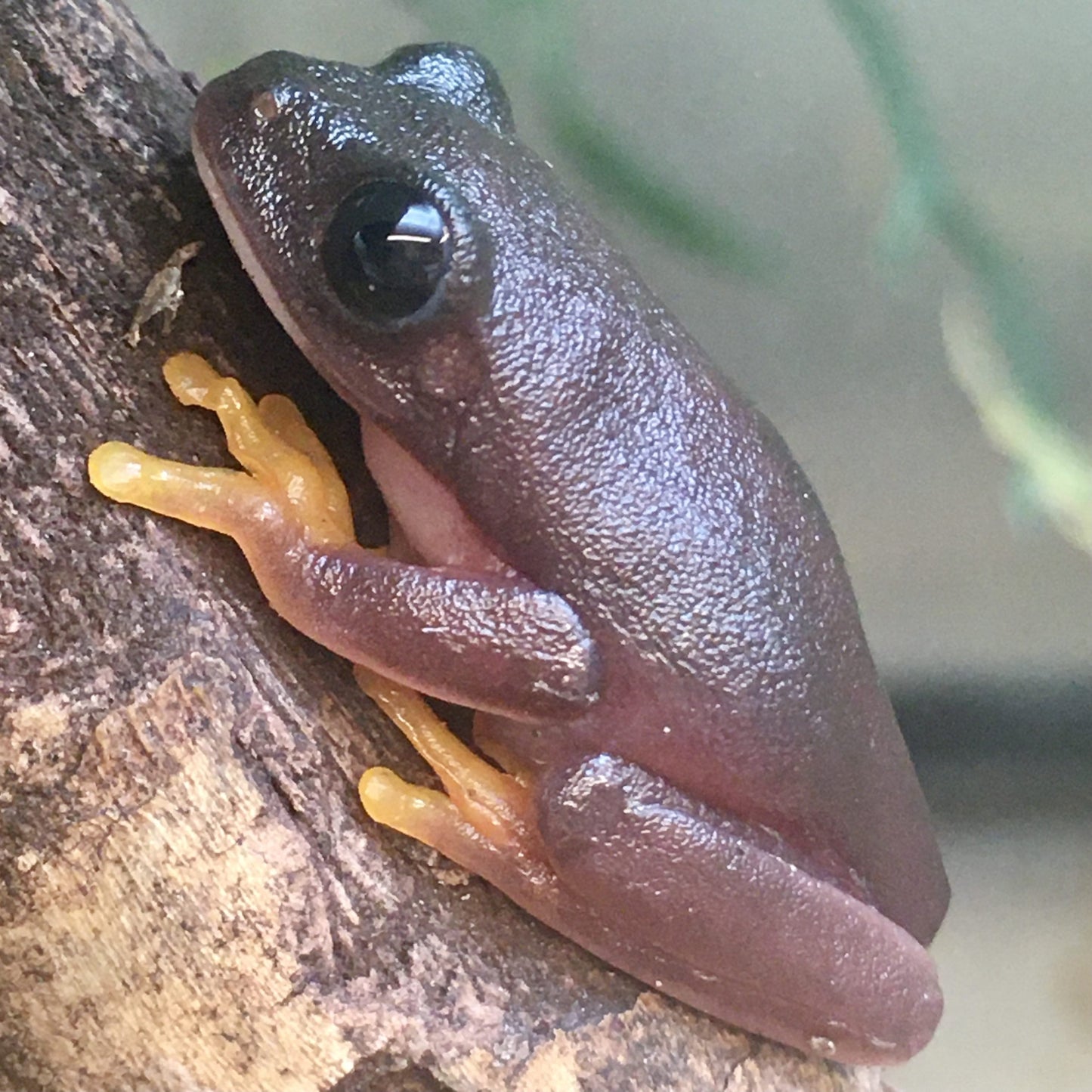
Red-Eyed Tree Frog
Red-Eyed Tree Frog
Regular price
£99.99
Regular price
Sale price
£99.99
Unit price
per
Tax included.
Shipping calculated at checkout.
Out of stock
Couldn't load pickup availability

Red-Eyed Tree Frog
Scientific name: Agalychnis callidryas
Common names: Red-Eyed Tree Frog, Red-Eyed Leaf Frog
Adult size: Around 5–7 cm
Lifespan: 8–12+ years
📏 Size
- Females are generally larger than males.
- Small, lightweight arboreal frogs with excellent climbing ability.
🏡 Housing
- Tall, vertically orientated vivarium with excellent ventilation.
- Around 45 × 45 × 60 cm minimum for a small group; larger is preferable.
- Provide plenty of live/artificial plants, vines and branches.
- Broad leaves give excellent resting and hiding areas.
- Use a secure, escape-proof lid.
🌡️ Temperature
- Day: 24–27°C
- Night: 20–23°C
- Avoid prolonged temperatures above 28°C.
- Use thermostatically controlled heating where required.
💡 Lighting
- Low-level UVB around 2–5% is beneficial.
- Provide a natural 10–12 hour day/night cycle.
- Ensure plenty of shaded areas within the enclosure.
💧 Humidity
- Aim for around 70–80%, with natural fluctuations.
- Mist regularly, preferably allowing the enclosure to partially dry between misting.
- Good ventilation is essential to prevent stagnant conditions.
🦗 Food
- Feed appropriately sized live insects such as crickets, locusts, roaches and flies.
- Juveniles require smaller prey and more frequent feeding.
- Dust prey with calcium and suitable amphibian vitamins.
- Feed adults around 2–3 times per week, depending on body condition.
💧 Water
- Provide a shallow dish of clean, dechlorinated water.
- Replace water daily or whenever contaminated.
- Frogs will also drink droplets from leaves and enclosure surfaces.
🐸 Shedding
- Frogs regularly shed their skin and will usually eat it.
- Correct humidity and hydration should allow normal shedding without assistance.
- Never attempt to remove loose skin manually.
🤲 Handling
- Handling should be kept to a minimum.
- Their skin is highly sensitive and can absorb oils and chemicals.
- If handling is essential, use clean, powder-free disposable gloves moistened with dechlorinated water.
❤️ Health
- Monitor appetite, activity, body condition and skin.
- Watch for dehydration, abnormal skin, lethargy and difficulty climbing.
- Good hygiene, ventilation, UVB and appropriate supplementation are important.
🧽 Cleaning
- Remove waste and uneaten insects regularly.
- Clean the water dish daily.
- Wipe dirty surfaces and remove dead leaves as required.
- Avoid harsh chemicals around the frogs.
🏠 Before You Bring Your Frog Home
- Fully establish the vivarium and check temperatures and humidity beforehand.
- Have suitable plants, climbing surfaces, water and live food ready.
- Ensure the enclosure is secure.
⚠️ Important Bits
- Red-Eyed Tree Frogs are arboreal and nocturnal, so they may spend much of the daytime resting on leaves.
- Provide plenty of vertical climbing space and foliage.
- Avoid overheating — they are particularly sensitive to excessive temperatures.
- Never use tap water containing chlorine/chloramine directly on the frogs.
- Keep handling to a minimum and wash/disinfect equipment between enclosures.