Skip to product information
1 of 1

J&K

Short Nose Pipefish

Short Nose Pipefish

Regular price ยฃ19.99
Regular price Sale price ยฃ19.99
Sale Sold out
Tax included. Shipping calculated at checkout.

Out of stock

Product Image

Short Nose Pipefish (Microphis brachyurus)

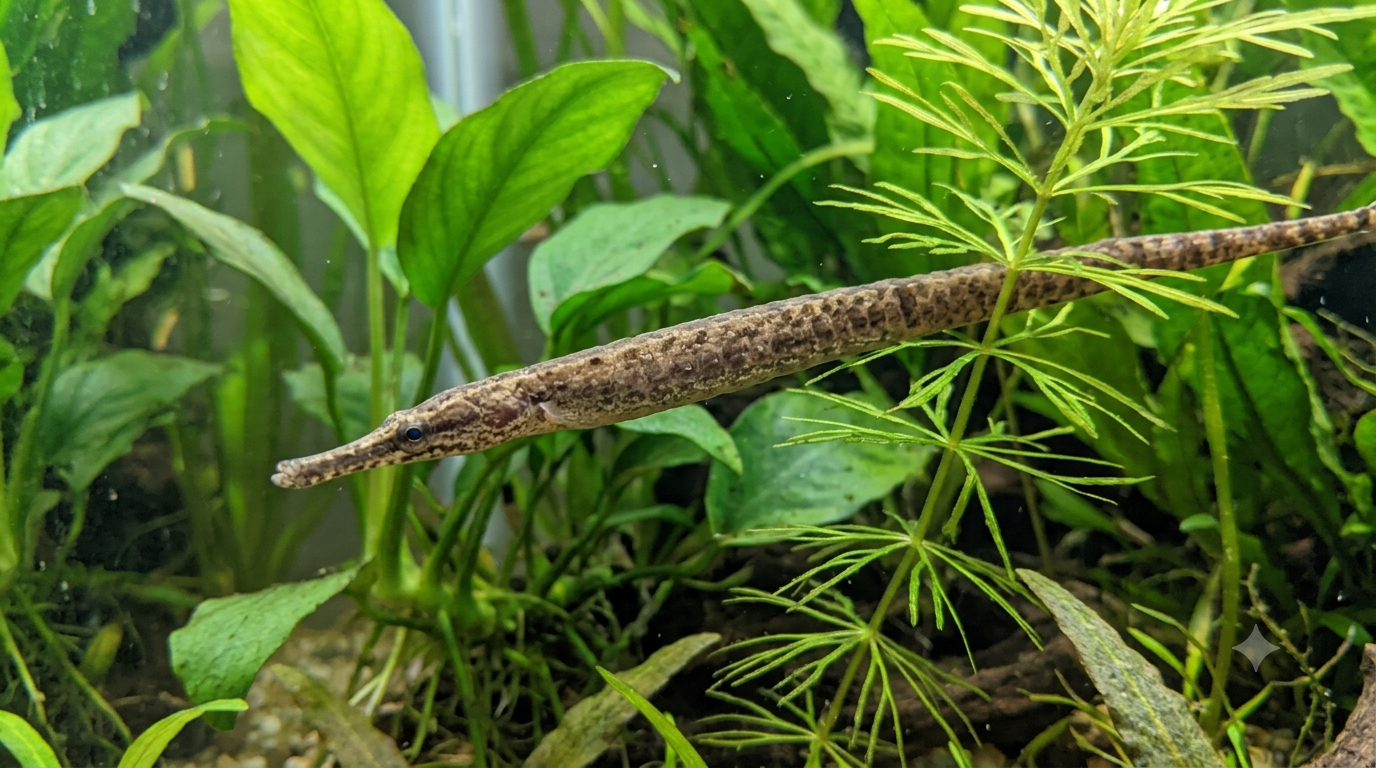
The Short Nose Pipefish is a fascinating and elegant freshwater species, closely related to seahorses and admired for its slender body, shortened snout, and graceful swimming style. Its subtle colouration of olive, brown, and golden tones allows it to blend seamlessly into densely planted aquariums, where it spends its time weaving through vegetation and carefully searching for tiny prey.

Unlike most tropical fish, the Short Nose Pipefish moves slowly and deliberately, using its tubular snout to suck up tiny aquatic invertebrates with incredible precision. Its peaceful temperament, unusual appearance, and captivating behaviour make it an excellent choice for experienced aquarists looking to keep something truly different.

๐ŸŒฟ Why Choose Short Nose Pipefish?

๐Ÿ‰ Unique seahorse-like appearance with a shorter snout
๐ŸŒฟ Graceful swimming behaviour unlike any other freshwater fish
๐Ÿง  Fascinating hunting behaviour using a specialised tubular mouth
โœจ Perfect for mature, heavily planted aquariums
๐ŸŸ Peaceful and ideal for specialist freshwater setups
๐Ÿ’Ž Rare and highly unusual aquarium species
๐Ÿ† A rewarding fish for experienced aquarists

Short Nose Pipefish are found throughout Central and South America, inhabiting slow-moving rivers, streams, floodplains, and densely vegetated freshwater habitats. They spend much of their time amongst submerged plants and roots, feeding on tiny crustaceans and insect larvae while remaining well camouflaged from predators.

๐Ÿ“ Care Requirements

๐Ÿงฌ Scientific Name: Microphis brachyurus
๐Ÿ“› Common Name: Short Nose Pipefish
๐Ÿ  Tank Size: 120L+ recommended
๐Ÿ“ Adult Size: Up to 15โ€“20cm
๐ŸŒก๏ธ Temperature: 22โ€“28ยฐC
โš—๏ธ pH Range: 6.5โ€“7.5
๐Ÿง˜ Temperament: Peaceful and shy
๐Ÿฝ๏ธ Diet: Live and frozen baby brine shrimp, daphnia, cyclops, copepods, mosquito larvae, and finely chopped bloodworm. Most specimens rarely accept flake or pellet foods.
๐Ÿ‘ฅ Group Size: Best kept as a pair or in small groups of 4โ€“6

Short Nose Pipefish require a mature aquarium with dense planting, gentle water flow, and excellent water quality. Fine-leaved plants, mosses, floating vegetation, and pieces of driftwood create the ideal environment, providing shelter while encouraging populations of tiny natural food organisms.

Because they feed slowly and methodically, they should be housed only with peaceful species that will not outcompete them for food.

๐Ÿ  Compatibility

Short Nose Pipefish are best kept alongside calm, non-aggressive species such as:

๐ŸŸ Chili Rasboras
๐ŸŸ Ember Tetras
๐ŸŸ Celestial Pearl Danios
๐ŸŸ Pygmy Corydoras
๐ŸŸ Otocinclus
๐Ÿฆ Larger freshwater shrimp (small shrimplets may be eaten)
๐ŸŒ Peaceful freshwater snails

Avoid keeping them with:

โŒ Fast-feeding community fish
โŒ Barbs and other fin-nippers
โŒ Cichlids
โŒ Loaches
โŒ Large Gouramis
โŒ Predatory fish

Important Notes

Short Nose Pipefish are considered a specialist species due to their feeding requirements. Newly imported specimens often require live foods before they can be encouraged to accept frozen alternatives. A mature aquarium rich in natural microfauna will significantly improve their long-term success.

Like seahorses, the male carries fertilised eggs in a specialised brood pouch beneath his body until the young are fully developed and ready to hatch. This remarkable breeding behaviour is one of the species' most fascinating characteristics.

These pipefish are sensitive to poor water quality and should only be introduced into mature, stable aquariums. Gentle filtration, low stress, and consistent water parameters are essential for keeping them healthy.

The Short Nose Pipefish is an exceptional choice for UK aquarists seeking a rare and captivating freshwater fish. Its elegant appearance, peaceful nature, and unique feeding behaviour make it a standout addition to specialist planted aquariums, rewarding dedicated keepers with one of the most fascinating species in the freshwater hobby.


View full details