
Neil Hardy
Usaki Koi
Usaki Koi
94 in stock
Couldn't load pickup availability

Usaki Koi (Cyprinus carpio)
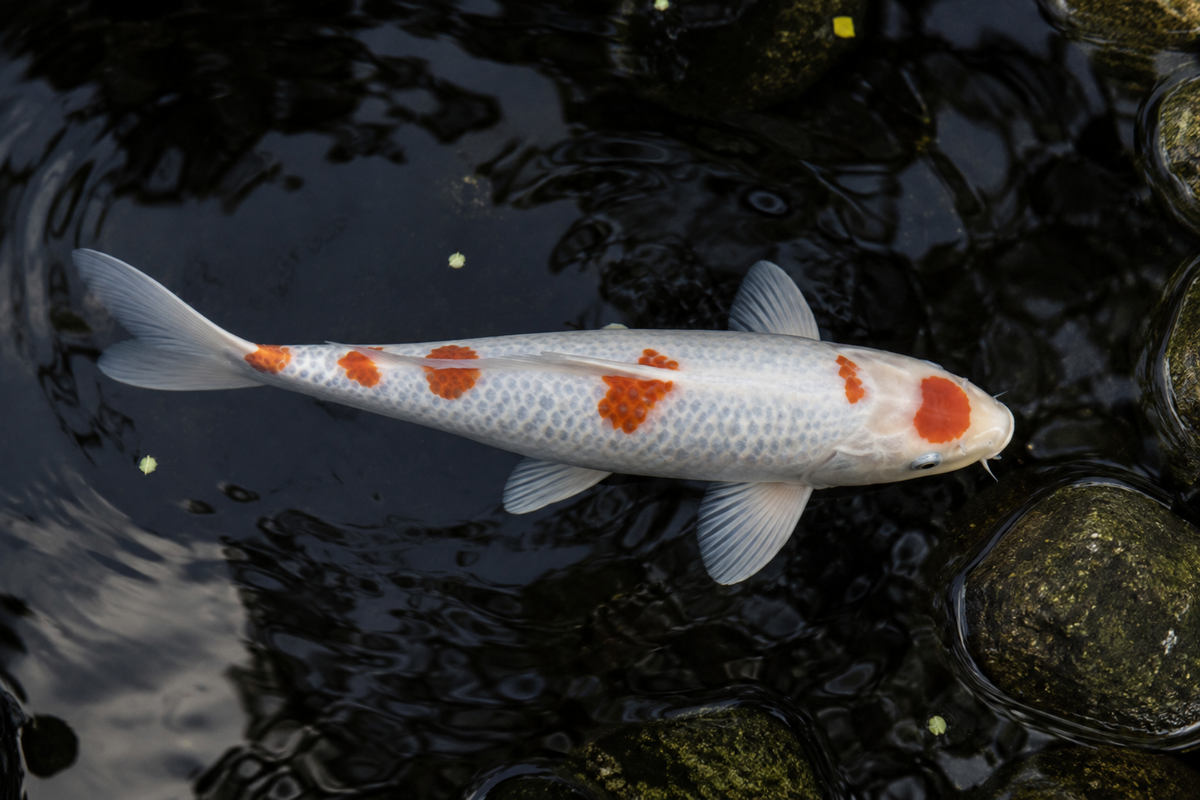
Usaki Koi are ornamental koi bred for their striking colouration, attractive patterns, and graceful swimming behaviour. Koi are domesticated varieties of the common carp and have been selectively bred for generations to produce an enormous range of colours and patterns.
Depending on the individual, Usaki Koi can display combinations of white, red, orange, yellow, black, and metallic colouration, with each fish developing its own distinctive pattern. Their active yet peaceful nature makes them particularly popular for outdoor ponds and large indoor systems.
Koi are intelligent, long-lived fish that can become surprisingly tame, often learning to recognise their keeper and feeding readily from the surface. With sufficient space and excellent water quality, they can become impressive feature fish and form a strong attraction in ornamental ponds.
🌿 Why Choose Usaki Koi?
🎨 Beautiful individually patterned ornamental carp
❤️ Vibrant red, orange, yellow, white, black, and metallic colouration
🐟 Peaceful and active pond fish
🧠 Intelligent and capable of recognising their keeper
🍽️ Often become tame enough to hand-feed
💪 Hardy and adaptable when properly maintained
🌿 Excellent centrepiece fish for ornamental ponds
🏆 Long-lived fish capable of growing to impressive sizes
📏 Care Requirements
🧬 Scientific Name: Cyprinus carpio
📛 Common Name: Usaki Koi, Ornamental Koi, Koi Carp
🏠 Pond Size: 1,000L+ for small specimens, with substantially larger ponds required as they mature
📏 Adult Size: Commonly 50–75cm, with some specimens exceeding 80cm
🌡️ Temperature: 15–25°C; can tolerate considerably cooler water
⚗️ pH Range: 7.0–8.5
💧 Water Hardness: Moderate hardness preferred
🧘 Temperament: Peaceful and social
🍽️ Diet: High-quality koi pellets, sticks, wheatgerm foods, insects, shrimp, and occasional vegetables
👥 Group Size: Best kept with other koi or similarly sized pond fish
🏡 Pond Setup
Koi require substantial space and are not suitable for small ornamental ponds once they begin to grow.
An ideal koi pond should include:
💧 Large water volume
🌊 Powerful filtration
💨 Excellent aeration
🌿 Some shaded areas
🪨 Smooth pond-safe décor
☀️ A mixture of sunlight and shaded areas
🔒 Protection from predators such as herons
Koi produce a significant amount of waste, so an oversized filtration system is strongly recommended.
A deep pond of around 1–1.2 metres or more is beneficial in the UK, helping provide stable temperatures and allowing koi to retreat to deeper water during periods of cold weather.
🐠 Compatibility
Koi are peaceful and can be kept alongside other suitably sized pond fish.
Suitable companions include:
✅ Other Koi
✅ Large Goldfish
✅ Golden Orfe
✅ Tench
✅ Larger peaceful pond fish
Avoid keeping koi with:
❌ Small fish that may be swallowed as koi grow
❌ Aggressive species
❌ Fish requiring significantly different water conditions
❌ Small ornamental fish in an overcrowded pond
Koi are generally sociable and often become more confident when kept in groups.
🍽️ Feeding & Behaviour
Koi are omnivorous and should be provided with a varied, high-quality diet.
Suitable foods include:
🟤 High-quality koi pellets or sticks
🌾 Wheatgerm-based foods
🦐 Shrimp and krill
🪱 Insects and insect larvae
🥬 Blanched peas and other suitable vegetables
🍉 Occasional fruit as a treat
During warmer weather, koi can be fed more frequently as their metabolism increases. In colder conditions, feeding should be reduced significantly, and when water temperatures become very low, feeding may need to stop altogether.
Koi are highly responsive fish and can quickly learn to associate their keeper with feeding. With regular interaction, many become confident enough to take food directly from the hand.
⚠️ Important Notes
Koi can grow very large, so the size of the fish when purchased should not be used as an indication of the aquarium or pond space it will eventually require.
They are also exceptionally long-lived. With excellent care, koi can live for 25–35 years or more, making them a serious long-term commitment.
Good filtration is essential because koi produce considerably more waste than most conventional pond fish. Regular partial water changes and monitoring of ammonia, nitrite, nitrate, and pH are recommended.
Koi should also be protected from predators. In the UK, herons are a particular concern, and netting, deeper areas, shelters, or appropriate pond protection can significantly reduce the risk.
Colour and pattern can change as koi mature. Individual Usaki Koi may therefore develop differently over time, with some colours becoming more intense while others fade or change.