
Peregrine
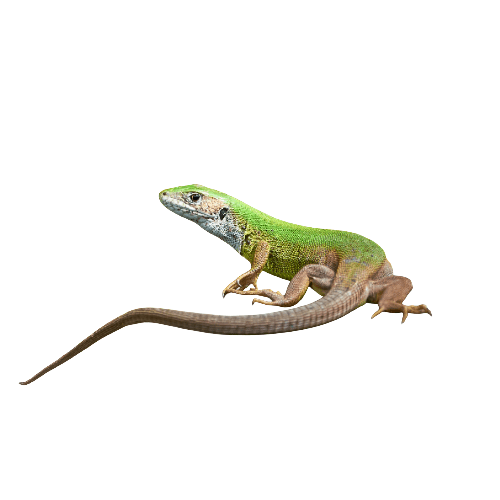
Western European Green Lizard
Western European Green Lizard
Regular price
£89.99
Regular price
Sale price
£89.99
Unit price
per
Tax included.
Shipping calculated at checkout.
Low stock: 1 left
Couldn't load pickup availability

WESTERN EUROPEAN GREEN LIZARD
Quick Care Guide
Scientific Name: Lacerta bilineata
Adult Size: 30–40 cm total length
Lifespan: 10–15+ years
Activity: Diurnal • Terrestrial • Arboreal
📏 Size
- Adults can reach around 30–40 cm, including the tail.
- Males are usually larger and more vividly coloured than females.
🏠 Housing
- Provide a large, secure vivarium with plenty of floor and climbing space.
- For an adult, aim for at least 120 × 60 × 90 cm, with larger being preferable.
- Use a deep, naturalistic substrate suitable for digging.
- Provide cork bark, branches, rocks, hides and dense planting.
- Include both open basking areas and shaded retreats.
- A secure enclosure is essential as these lizards are active and capable climbers.
🌡️ Temperature
- Basking area: 35–38°C.
- Warm area: 27–30°C.
- Cool area: 21–25°C.
- Night-time temperatures can fall to around 18–20°C.
- Always provide a temperature gradient so the lizard can regulate its body temperature.
💡 Lighting
- Requires strong full-spectrum lighting and UVB.
- Use a suitable high-output UVB lamp, with a gradient from the basking zone to shaded areas.
- Provide around 10–12 hours of daylight.
- Replace UVB lamps according to the manufacturer's recommended schedule.
💧 Humidity
- Aim for approximately 50–70%, with higher humidity after misting.
- Provide good ventilation alongside humidity.
- A humid hide can be useful, particularly during shedding.
- Avoid keeping the entire enclosure constantly wet.
🍽️ Food
- Primarily insectivorous, particularly when young.
- Offer appropriately sized crickets, locusts, roaches, caterpillars and other suitable insects.
- Variety is important.
- Larger adults may also take suitable soft-bodied prey and occasional plant material.
- Dust food with calcium and use a suitable vitamin supplement as required.
- Remove uneaten insects to prevent stress or injury.
💧 Water
- Provide a shallow, stable water dish with fresh water.
- Mist the enclosure lightly when required to provide drinking droplets.
- Replace dirty water immediately.
🐍 Shedding
- Young lizards shed frequently as they grow.
- Adults shed less often.
- Provide suitable humidity and rough surfaces such as cork bark to help loosen old skin.
- Never pull retained skin from the animal.
🤲 Handling
- Can become accustomed to gentle interaction when captive-bred.
- Allow the lizard time to settle before attempting handling.
- Support the entire body and avoid grabbing the tail.
- Minimise handling, particularly when the animal is stressed or newly introduced.
❤️ Health
- Healthy animals should be alert, active and have clear eyes and a good body condition.
- Monitor for weight loss, lethargy, respiratory problems, abnormal faeces or retained shed.
- Correct UVB, calcium and temperature are particularly important for preventing metabolic bone disease.
- Regularly monitor weight and appetite.
🧹 Cleaning
- Remove faeces and uneaten food promptly.
- Replace soiled substrate as required.
- Clean the water dish regularly.
- Keep ventilation openings clear.
- A bioactive setup can reduce routine waste removal but still requires regular maintenance.
✅ Before You Bring Your Animal Home
☐ Large secure vivarium prepared
☐ Strong UVB and suitable basking lamp installed
☐ Temperature gradient checked
☐ Hides, branches and climbing areas provided
☐ Suitable substrate installed
☐ Fresh water available
☐ Live food and supplements ready
☐ Enclosure fully secure
⚠️ Important Bits
- Active, alert lizards that need plenty of space.
- Never rely on a single temperature reading; provide a proper thermal gradient.
- UVB must be positioned correctly and replaced when it reaches the end of its useful life.
- Do not feed insects that may have been exposed to pesticides.
- Never pick the lizard up by the tail.
- Allow a newly arrived animal time to settle before handling.
- Captive-bred animals are preferable where legally and ethically available.